Hey everyone! Ever wonder why your grandma’s flip phone seems unhackable while the latest smartphone gets a new security patch every other week? Today, we’re diving into the world of legacy technology—those older, sometimes ancient, systems and devices that are still kicking around in our lives. From that old MP3 player to the security system in your home, let’s explore whether sticking with the old is a stroke of genius or a security nightmare.

The Good Old Days? Security Perks of Legacy Tech
Believe it or not, there are some genuine security advantages to using older technology:
- Lower Profile, Fewer Targets: Hackers often target the most widely used systems because they offer the biggest payoff. That old tech you’re using? It might just be too obscure to be worth a hacker’s time.
- Simpler Systems: Older systems are often less complex, which means fewer potential vulnerabilities. Think of it like a simple lock versus a high-tech security system—sometimes, simplicity wins.
- Offline Operations: Many legacy systems operate offline, cutting off a major avenue for cyberattacks. If your device isn’t connected to the internet, it’s much harder to hack.
The Dark Side: Where Legacy Tech Fails
Now, for the not-so-good news. Using legacy technology also comes with significant security risks:
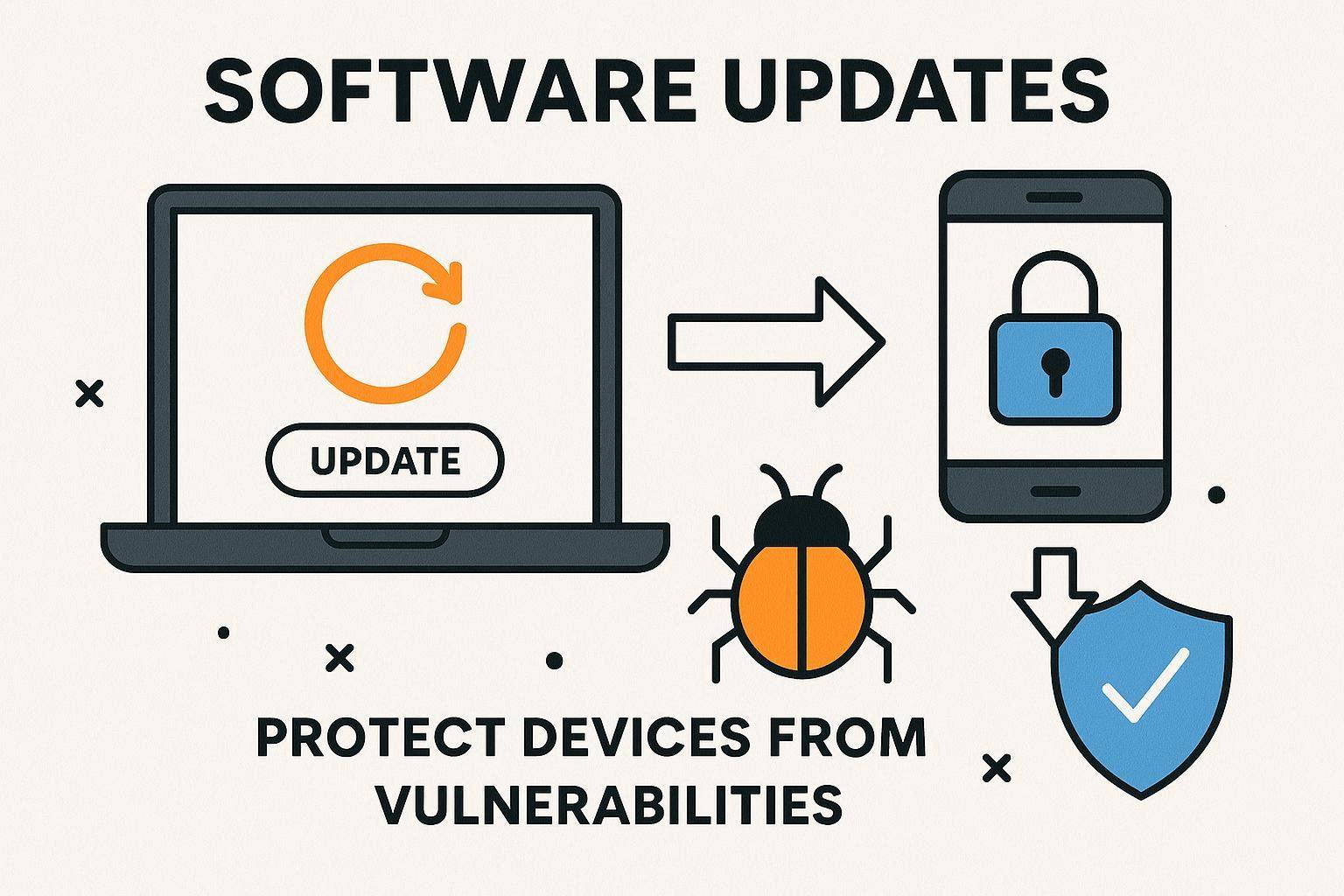
- Lack of Updates: This is the big one. Older systems often no longer receive security updates, leaving them vulnerable to known exploits. It’s like leaving your front door unlocked because the lock is “too old” to matter.
- Compatibility Issues: Trying to integrate old tech with new systems can create vulnerabilities. Imagine trying to connect a vintage radio to a modern sound system—you might create a pathway for interference, or in our case, a security breach.
- No Support: When something goes wrong, good luck finding someone who knows how to fix it. This lack of support can turn a minor issue into a major security crisis.
Real-World Risks: Is It Worth It?
So, how does this play out in your daily life? Consider these scenarios:
- Home Security Systems: An older security system might be simpler and less prone to glitches, but if it’s not regularly updated, it could be vulnerable to basic hacking techniques.
- Medical Devices: Hospitals often rely on legacy systems that are critical for patient care. These systems can be targeted by ransomware, putting lives at risk.
- Personal Gadgets: That old digital camera might seem harmless, but if you connect it to your computer, it could be a gateway for malware.
Think, Reflect, Ask: Questions to Ponder
Before you dismiss legacy tech as inherently insecure, or blindly trust it, ask yourself:
- What data does this device handle? The more sensitive the data, the greater the risk.
- Is it connected to the internet or other devices? Connections create vulnerabilities.
- Are there any known vulnerabilities for this system? A little research can go a long way.
- Can I isolate this device from my main network? Isolation can limit the damage from a potential breach.

Final Thoughts: Balance and Awareness
Using legacy technology isn’t necessarily a bad thing, but it requires awareness and a balanced approach. Understand the risks, take steps to mitigate them, and always prioritize security. After all, in the world of cybersecurity, knowledge is your best defense.
See you in the next entry!