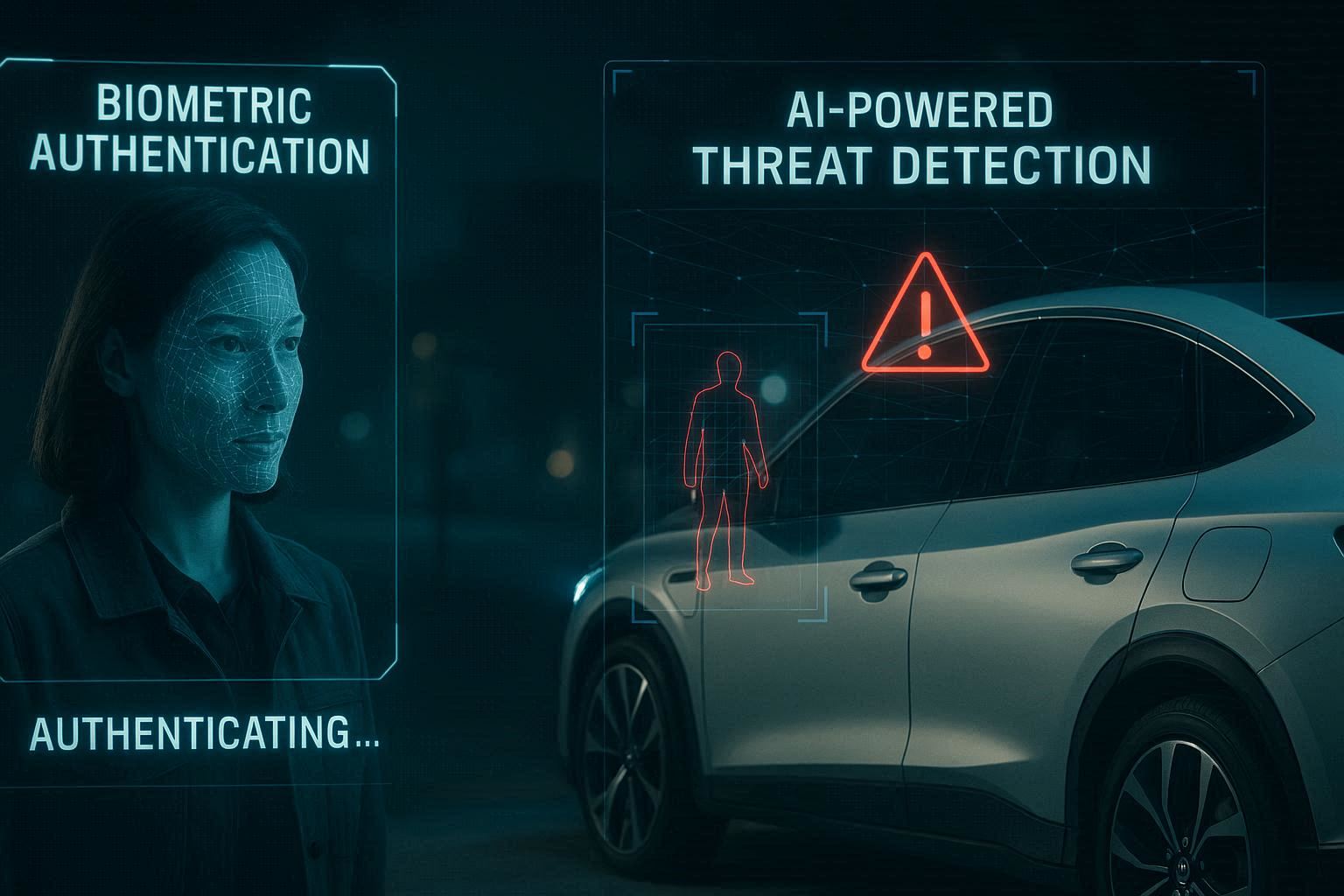
Hey there, future-forward drivers! So, you’ve made the leap to an electric vehicle (EV)? Awesome! You’re saving the planet (one silent mile at a time) and zipping around with that instant torque. But have you ever stopped to think about the digital safety of your ride? Yep, EVs are basically computers on wheels, and that means they can be targets for hackers. Don’t worry, I’m here to break down the basics of EV hardware and software security, so you can keep your eco-friendly machine safe and sound.
The Brains and Brawn: EV Hardware Security
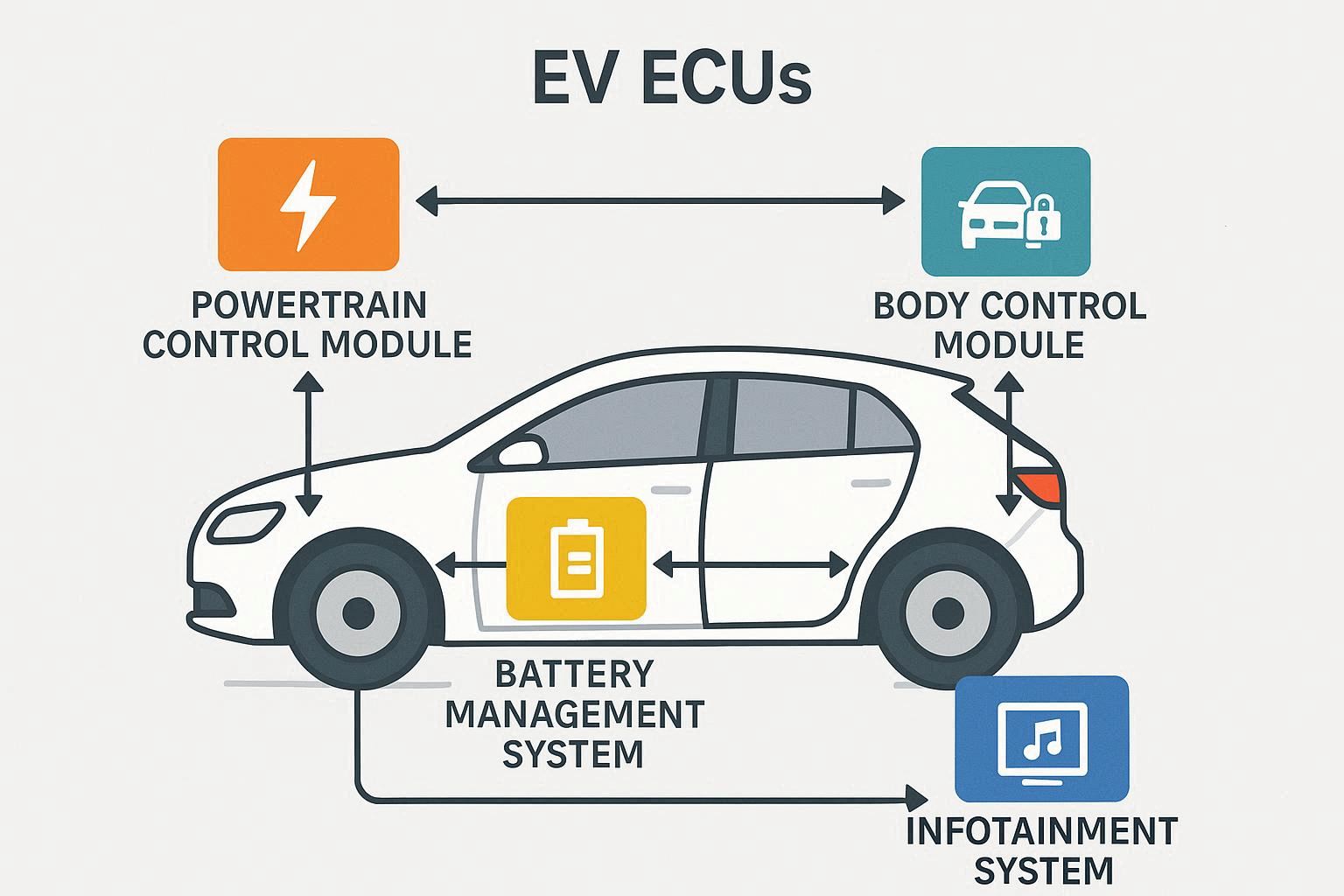
Let’s talk nuts and bolts (or rather, chips and circuits). Your EV is packed with electronic control units (ECUs) that manage everything from the battery to the brakes. Securing these physical components is the first line of defense:
- Secure Boot: Think of this as a digital bouncer for your car. It ensures that only approved software can run when the car starts up, preventing malicious code from taking over.
- Hardware Encryption: This scrambles the data stored on your car’s systems, so even if someone gets their hands on a component, they can’t read the information.
- Tamper Detection: Imagine tiny sensors that can detect if someone is trying to physically mess with your car’s hardware. If tampering is detected, the car can alert you or even shut down certain functions.
Software Savvy: Protecting Your Car’s Code
Now, let’s dive into the code that makes your EV tick. Just like your computer or phone, your car’s software needs to be protected from viruses and malware:
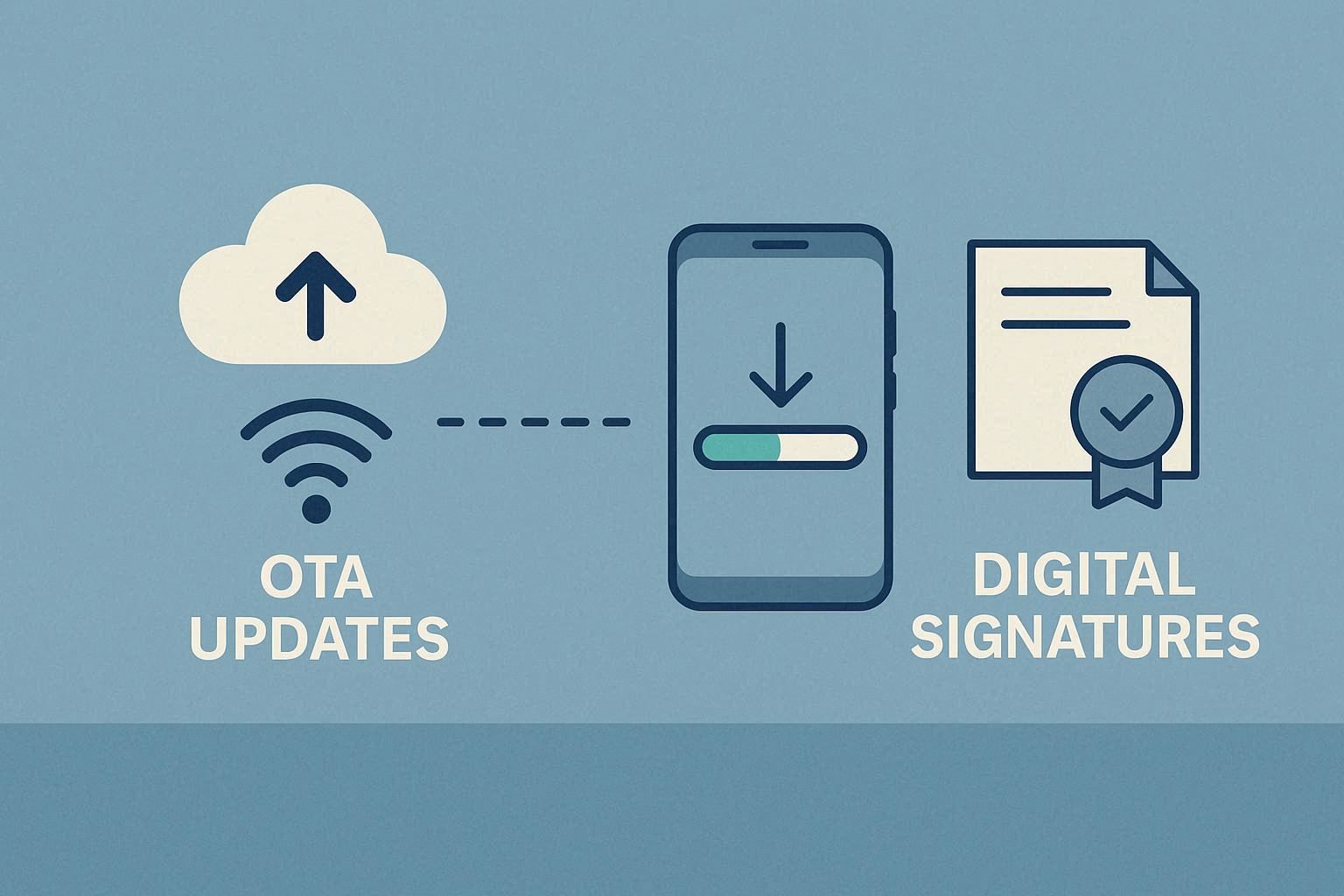
- Over-the-Air (OTA) Updates: These are software updates sent wirelessly to your car. Make sure these updates are digitally signed, which means they come from the manufacturer and haven’t been tampered with. Think of it like a verified stamp of approval.
- Firewalls: Just like on your home network, a firewall monitors incoming and outgoing data, blocking anything suspicious from getting in.
- Intrusion Detection Systems (IDS): These systems constantly scan your car’s network for signs of hacking attempts, like unusual data patterns or unauthorized access.
Staying Safe on the Road: Tips for EV Owners
Okay, enough with the technical jargon. Here’s what you can do to keep your EV secure:
- Keep Software Updated: Just like your phone, install those OTA updates as soon as they’re available. They often include important security patches.
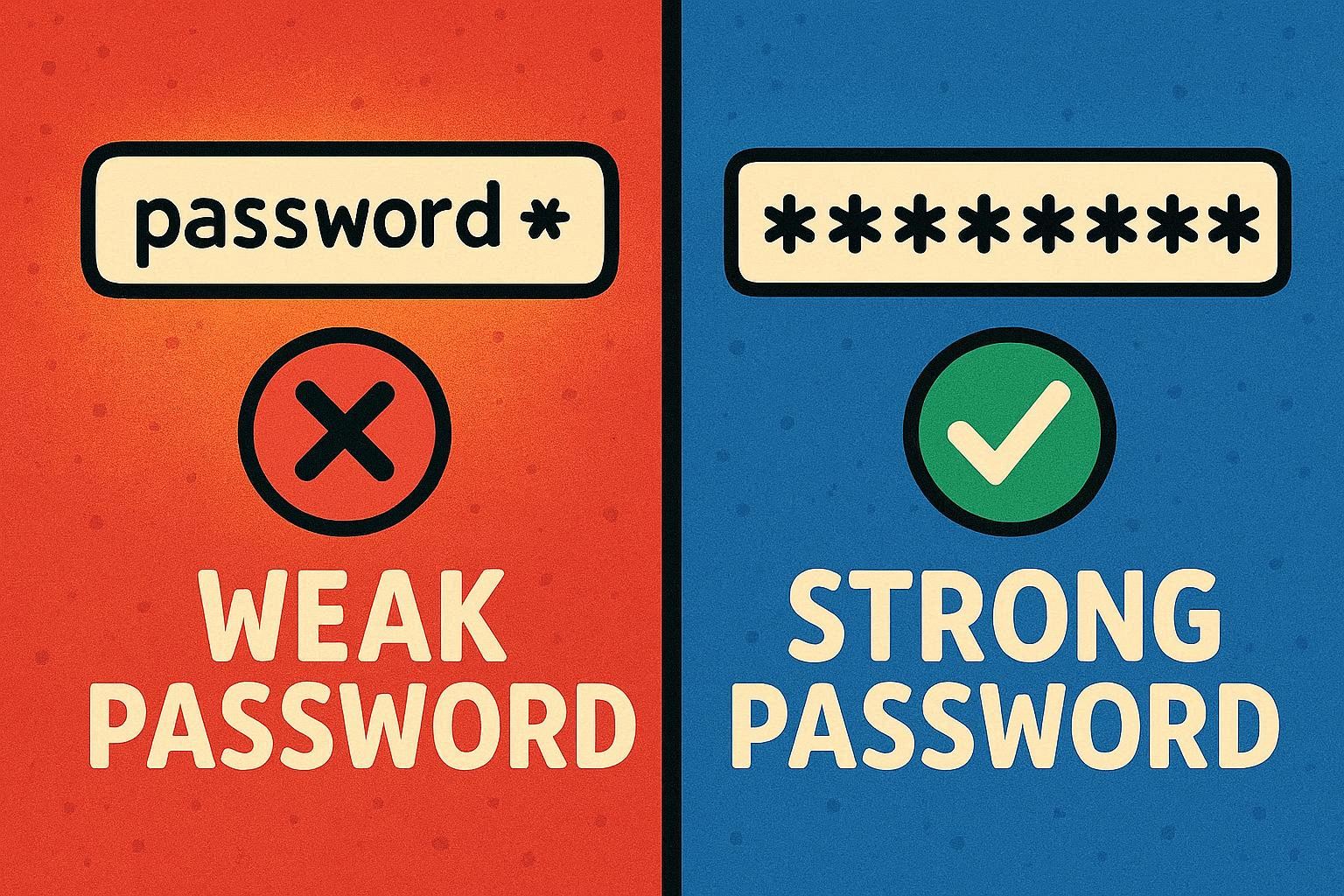
- Use Strong Passwords: If your EV app or infotainment system requires a password, make it a strong one. Avoid using the same password you use for other accounts.
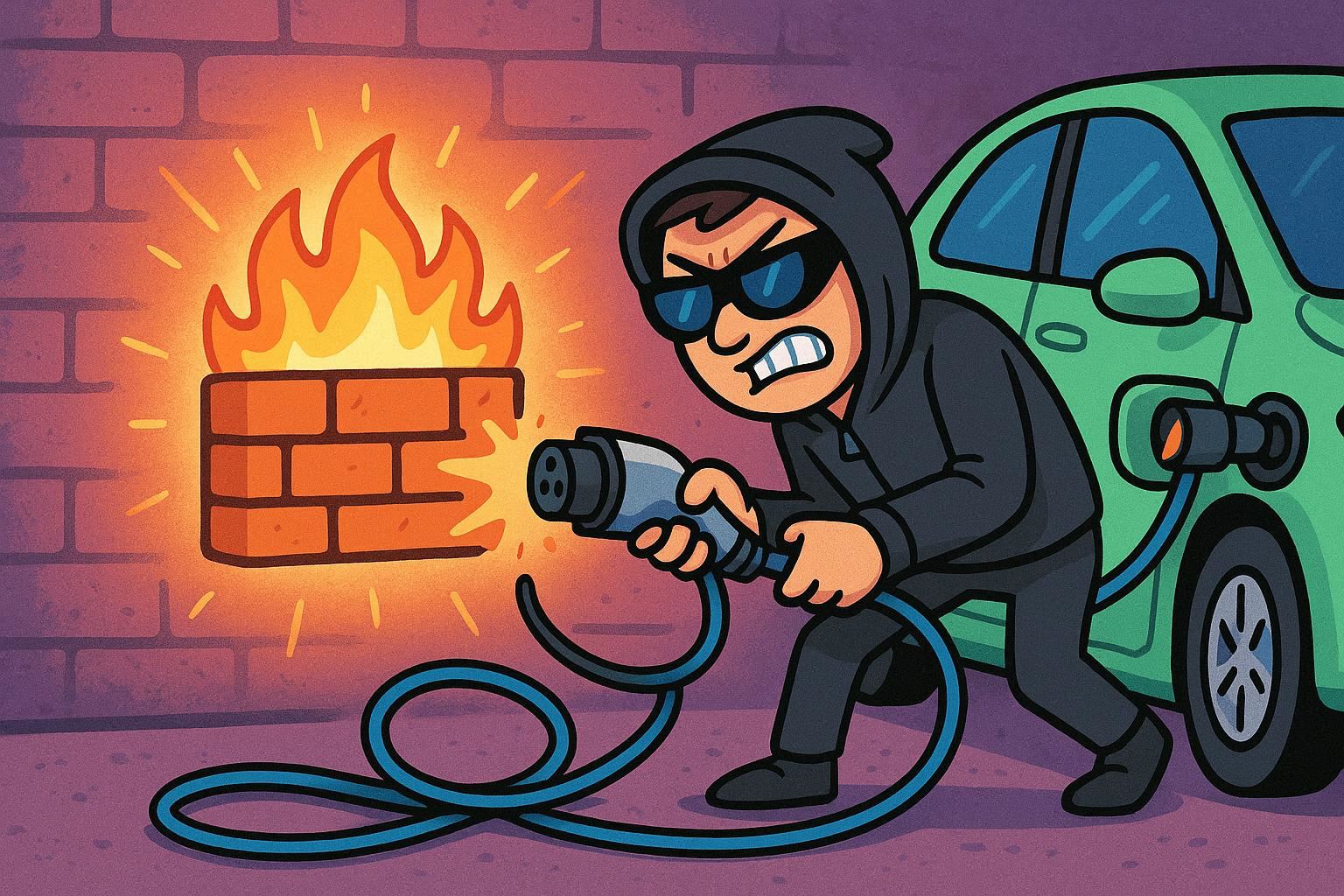
- Be Careful with Public Charging Stations: Public charging stations can be vulnerable to hacking. Use reputable charging networks and be wary of suspicious-looking stations.
- Monitor Your Car’s Performance: Pay attention to any unusual behavior, like sudden battery drain, strange error messages, or features that aren’t working correctly.
- Stay Informed: Keep up with the latest news and information about EV security. Car manufacturers and security researchers are constantly working to improve EV security.
The Future of EV Security
As EVs become more common, security will only become more important. Carmakers are investing heavily in cybersecurity, and new technologies are constantly being developed to protect our electric rides. By staying informed and taking a few simple precautions, you can enjoy the benefits of electric driving without worrying about hackers.
So, keep your battery charged, your software updated, and your mind at ease. Happy (and safe) driving!
So, keep your battery charged, your software updated, and your mind at ease. Happy (and safe) driving!