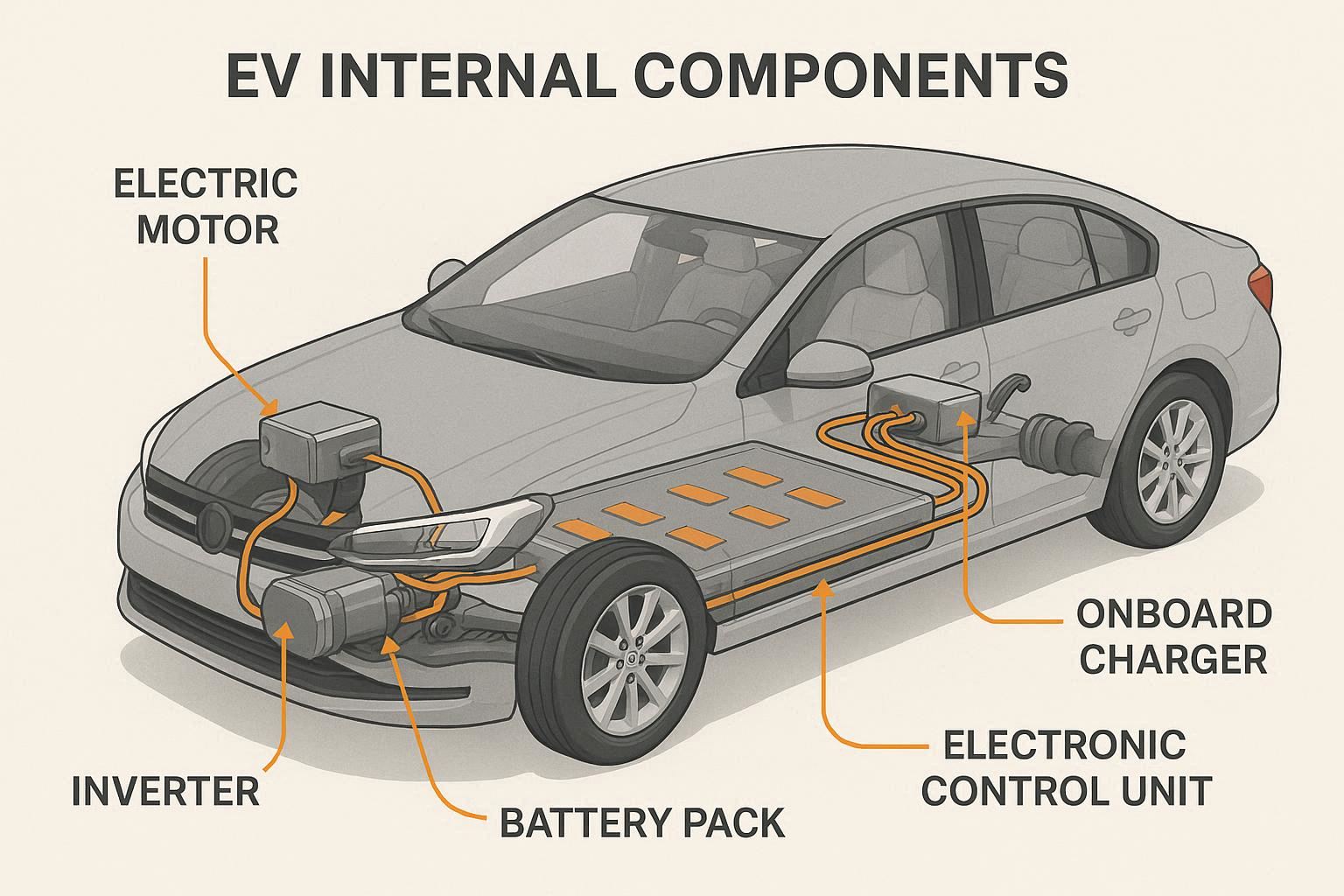
Hey everyone, it’s your friendly neighborhood IT security expert back again! Today, we’re diving into something super cool: securing the *hardware* of your electric vehicle. Yeah, we all love the sleek software and the awesome apps that come with EVs, but let’s not forget the nuts and bolts (or rather, the batteries and circuits) that make these beauties run.
Think of your EV like a high-tech castle. The software is like the royal court, making decisions and handling information. But the hardware? That’s the castle walls, the gate, and the drawbridge. If those are weak, even the smartest royal court can’t protect you!
Think of your EV like a high-tech castle. The software is like the royal court, making decisions and handling information. But the hardware? That’s the castle walls, the gate, and the drawbridge. If those are weak, even the smartest royal court can’t protect you!
Why Hardware Security Matters
You might be thinking, “Why should I care about hardware? Isn’t that the manufacturer’s problem?” Well, yes and no. Manufacturers do a lot to secure the hardware, but there are things *you* can do to make your EV even safer from potential threats.
Here’s the deal: if someone can physically mess with your EV’s hardware, they could potentially:
Here’s the deal: if someone can physically mess with your EV’s hardware, they could potentially:
- Disable safety features: Imagine someone tampering with the sensors that control your airbags or anti-lock brakes. Scary, right?
- Steal data: Your EV stores a ton of data, from your driving habits to your frequented locations. Accessing the hardware could expose this info.
- Take control of the vehicle: In the worst-case scenario, a malicious actor could gain control of critical systems, like the steering or acceleration.
Practical Steps You Can Take

So, how can you beef up your EV’s hardware security? Here are a few tips:
- Be mindful of where you park: Avoid leaving your EV in isolated or poorly lit areas, especially overnight. Criminals often target vulnerable vehicles in these locations. Think of it as not leaving your castle unguarded in a dark forest!
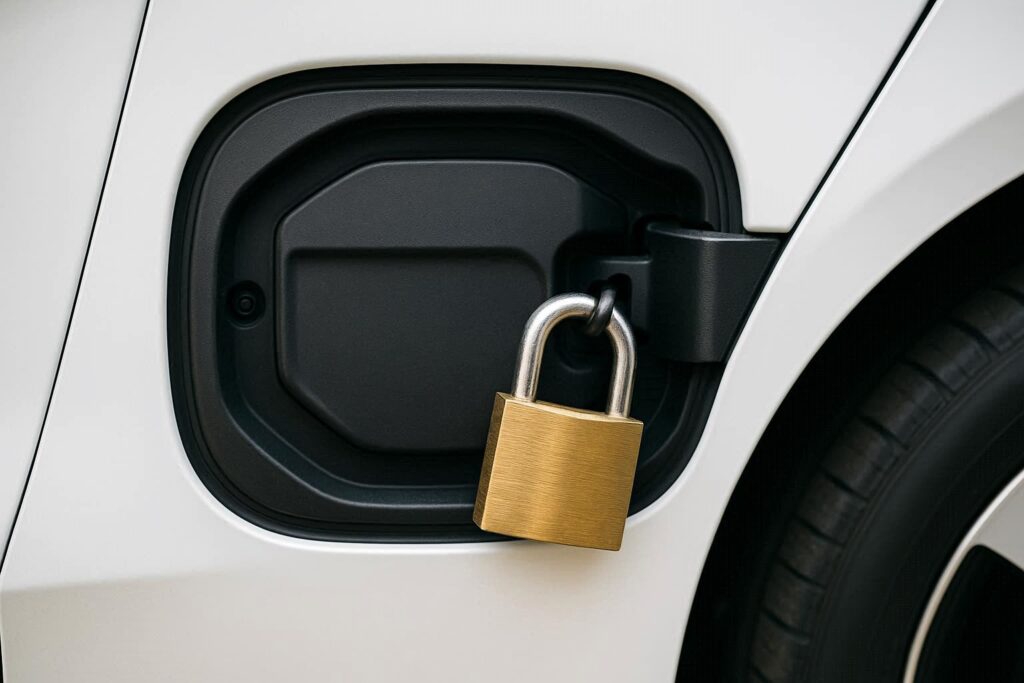
- Regularly inspect your charging port: Your charging port is a direct gateway to your EV’s internal systems. Check for any signs of tampering, like scratches, loose connections, or foreign objects. If something looks off, get it checked out by a qualified technician.
- Protect your OBD-II port: The On-Board Diagnostics (OBD-II) port is used for vehicle diagnostics and can be a potential entry point for attackers. Consider using an OBD-II port lock or a security device that monitors access to the port. It’s like putting an extra lock on the castle gate!
- Be cautious with aftermarket modifications: While adding cool gadgets to your EV can be tempting, be careful about who you trust to install them. Make sure the installer is reputable and uses secure installation practices. A shady modification could create vulnerabilities in your EV’s hardware.
- Keep your software updated: This might seem like a software tip, but it’s crucial for hardware security too! Software updates often include patches that address hardware-related vulnerabilities. Think of it as reinforcing the castle walls with new, stronger materials.
Looking Ahead
Securing your EV’s hardware is all about layering your defenses and being proactive. In our next blog post, we’ll delve into the fascinating world of communication networks within your EV. Stay tuned to learn how to protect the data flowing through your EV’s “nervous system”!