Hey everyone, it’s your friendly neighborhood IT security expert back again! Today, let’s dive into something that might sound like sci-fi but is becoming increasingly important: hardware security in electric vehicles (EVs).
We all love the idea of zipping around in a sleek EV, saving the planet (and some gas money!). But have you ever stopped to think about what’s going on under the hood… or, well, under the chassis? EVs are basically computers on wheels, and just like your laptop or phone, they’re vulnerable to hackers.
Now, before you start picturing a Hollywood-style car chase where someone remotely takes control of your brakes, let’s clarify. Automakers are working hard to make EVs secure. But understanding the potential risks is the first step in staying safe.
Why Hardware Security Matters in EVs
Think about all the things your EV’s hardware controls:
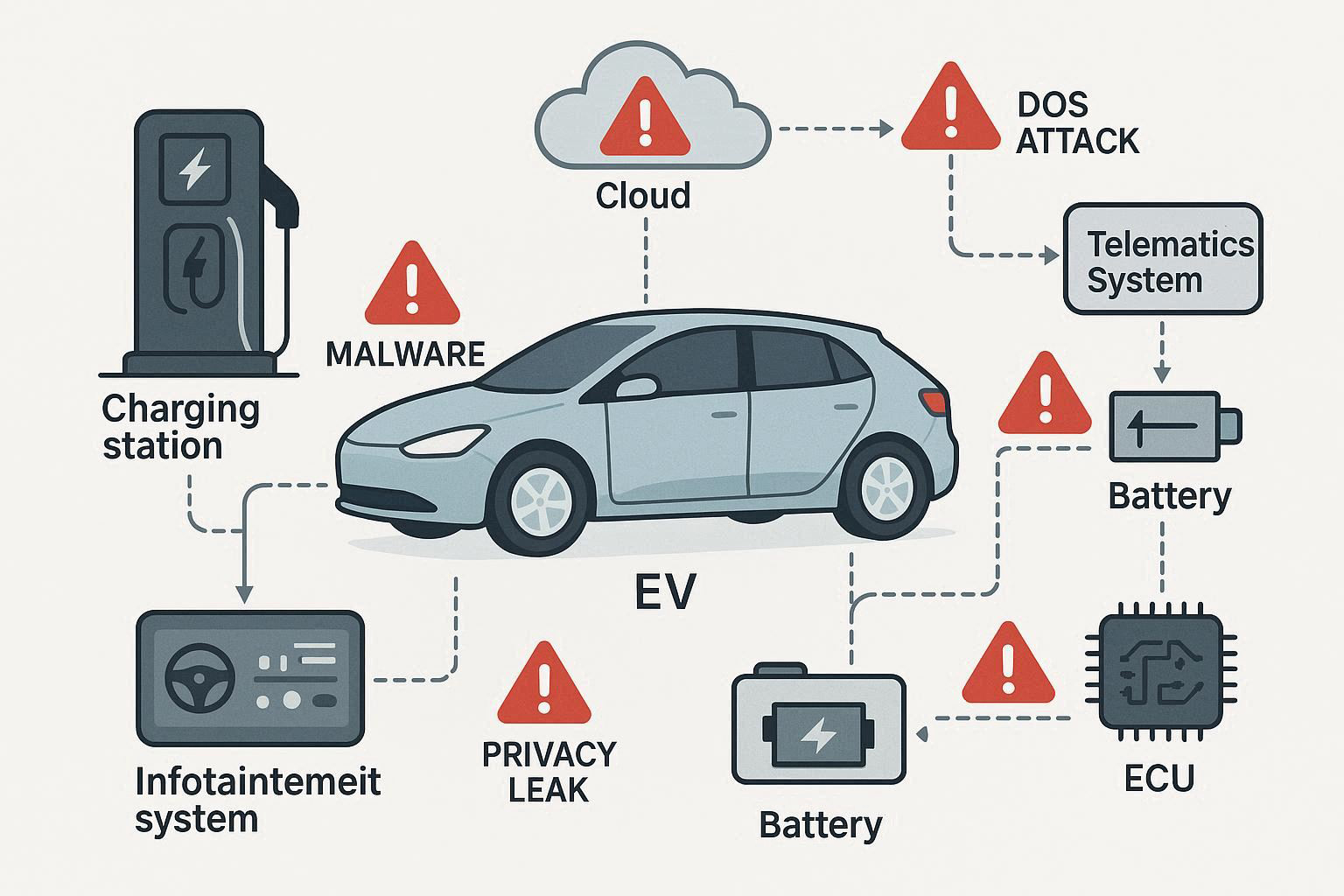
- Battery Management System (BMS): This is the brain of your battery, managing charging, discharging, and overall health. A compromised BMS could lead to overcharging (fire hazard!), rapid battery drain, or even permanent damage.
- Motor Controllers: These regulate the power going to the electric motors. Hackers could potentially manipulate these to cause sudden acceleration or deceleration.
- Charging Systems: When you plug in, your car communicates with the charging station. A security flaw here could allow someone to steal your charging data or even inject malicious code into your car.
- Sensors: EVs are packed with sensors for everything from autonomous driving to tire pressure monitoring. Tampering with these sensors could have serious consequences.
How Are Automakers Protecting Our EVs?
The good news is that automakers aren’t ignoring these threats. They’re employing various security measures, including:
- Hardware Encryption: Encrypting data stored on the car’s hardware makes it much harder for hackers to access sensitive information.
- Secure Boot Processes: This ensures that only authorized software runs on the car’s systems, preventing malicious code from taking over.
- Hardware Firewalls: These act as gatekeepers, controlling network traffic and blocking unauthorized access to critical components.
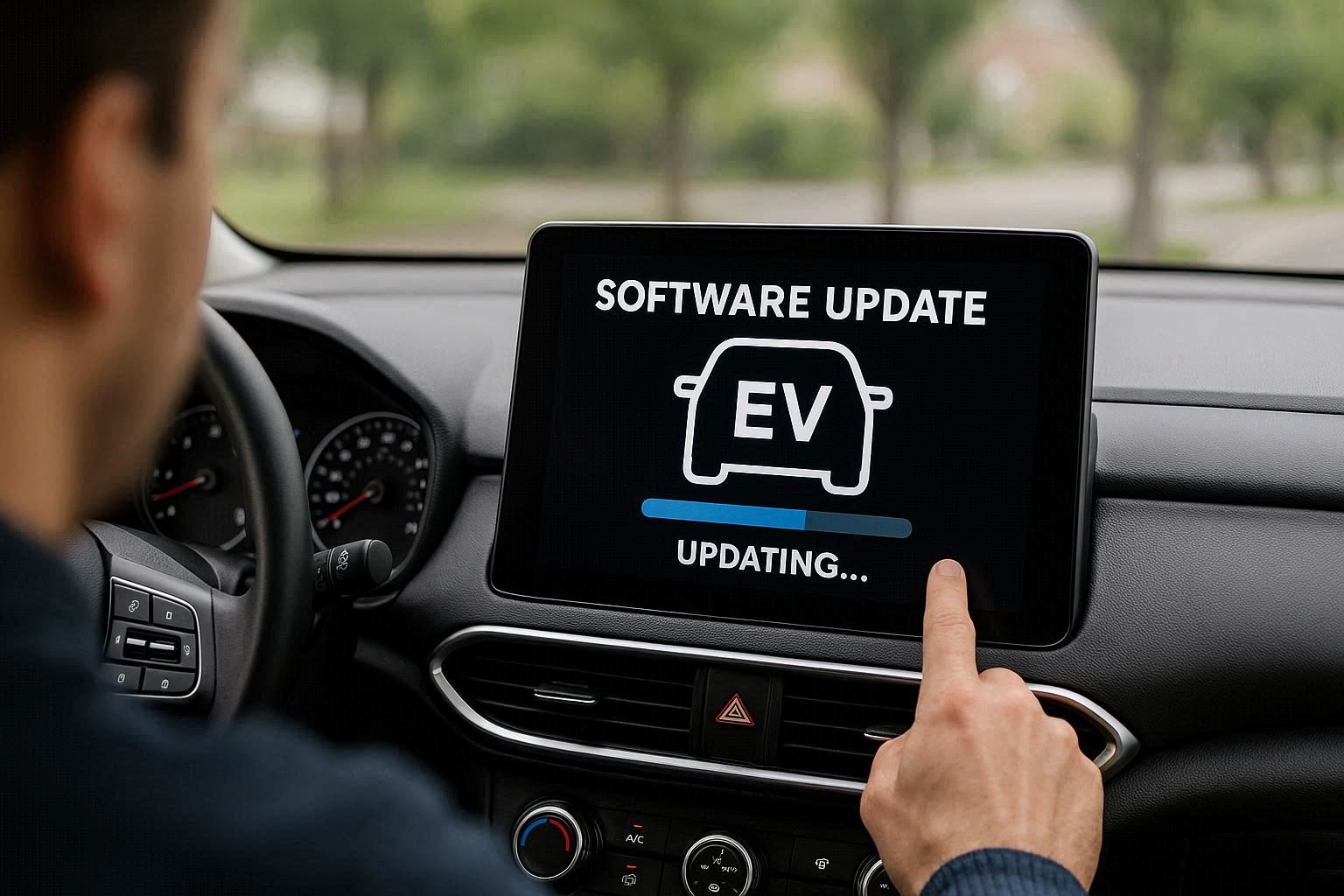
- Regular Security Updates: Just like your phone, your EV needs regular software updates to patch vulnerabilities. Make sure you’re installing them!
The Future of EV Security
As EVs become more complex and connected, hardware security will only become more critical. We’ll likely see even more advanced security measures in the future, such as:
- AI-powered threat detection: Using artificial intelligence to identify and respond to potential attacks in real-time.
- Blockchain technology: Securing data and preventing tampering with a distributed, immutable ledger.
- Hardware-based security modules (HSMs): Dedicated chips that provide a secure environment for storing cryptographic keys and performing sensitive operations.
- Regular Security Updates: Just like your phone, your EV needs regular software updates to patch vulnerabilities. Make sure you’re installing them!
So, while the idea of hacking an EV might sound scary, remember that automakers are working hard to stay ahead of the curve. By staying informed and taking a few simple precautions, you can enjoy the benefits of electric driving with peace of mind.
Stay tuned for my next blog, where we’ll dive deeper into specific types of EV hardware vulnerabilities!
Stay tuned for my next blog, where we’ll dive deeper into specific types of EV hardware vulnerabilities!