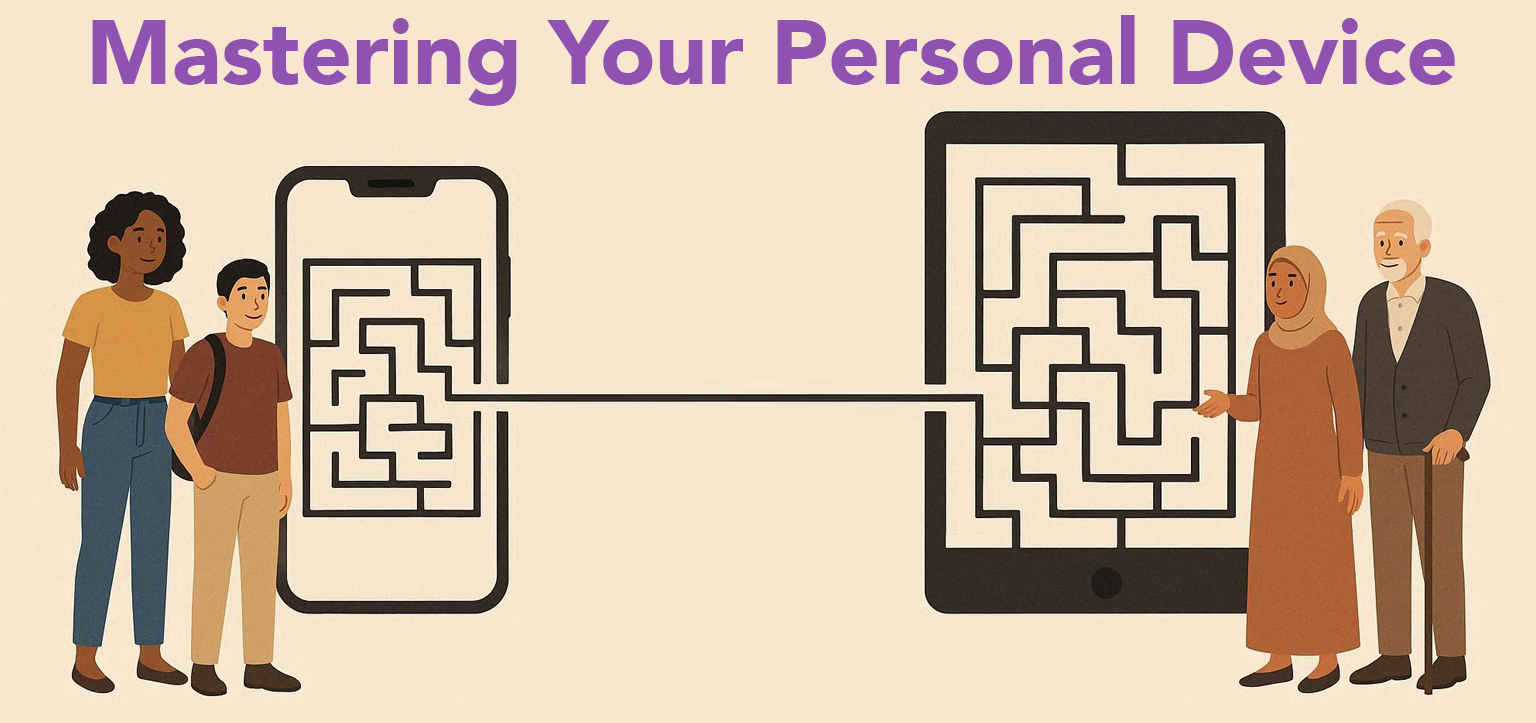
In today’s hyper-connected world, the personal mobile phone has evolved from a mere communication tool into an indispensable extension of ourselves. It’s our gateway to information, entertainment, social interaction, and, increasingly, a tool for managing our personal lives. But with great power comes great responsibility.
Are we truly mastering our mobile devices, or are we letting them master us?
Are we truly mastering our mobile devices, or are we letting them master us?

One of the biggest challenges is maintaining a healthy balance. The constant connectivity can lead to information overload, anxiety, and a blurring of lines between work and personal life. Setting boundaries is crucial. Designate specific times for checking emails and social media, and resist the urge to constantly refresh your feeds. Consider implementing “digital detox” periods, even if it’s just for an hour or two each day, to disconnect and recharge.
Beyond time management, understanding the capabilities of your device can significantly enhance your productivity and well-being. Take the time to explore the various apps and features available. From note-taking and task management tools to fitness trackers and mindfulness apps, your phone can be a powerful ally in achieving your goals. Just be mindful of app clutter; regularly evaluate which apps you actually use and delete the rest. A key aspect of security when working with mobile devices is removing unused apps. Simply having an app that is not being used and is hardly updated puts users in an unfavorable position. You should consider removing unused apps and keeping an eye out for updates to ones you are actively using. Sometimes, it is wise to see how the latest update to an app runs before you install the latest, if you have an option to do so.
Security and privacy are also paramount. Mobile phones are treasure troves of personal information, making them prime targets for cybercriminals. Protect yourself by using strong, unique passwords, enabling two-factor authentication, and being cautious about the apps you download and the links you click. Regularly update your phone’s operating system and security software to patch vulnerabilities.

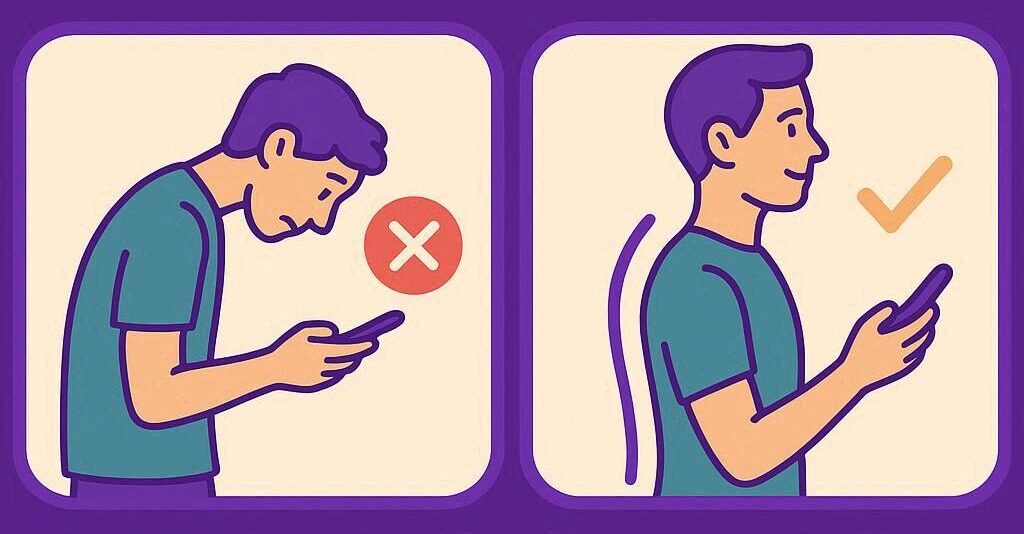
Another often-overlooked aspect is physical health. The way we use our phones can have a significant impact on our bodies. Poor posture, repetitive strain injuries, and eye strain are common complaints among heavy mobile phone users. Practice good ergonomics by holding your phone at eye level, taking frequent breaks to stretch and rest your eyes, and using voice commands or a headset whenever possible.
Finally, be mindful of your mobile phone etiquette. In public settings, keep your phone on silent or vibrate, avoid loud conversations, and be aware of your surroundings. When spending time with friends and family, put your phone away and be present in the moment. These small gestures can make a big difference in maintaining positive relationships.

Mastering your personal mobile phone is an ongoing process of learning, adapting, and refining your habits. By setting boundaries, exploring its capabilities, prioritizing security and health, and practicing good etiquette, you can harness the power of your device without letting it control your life.
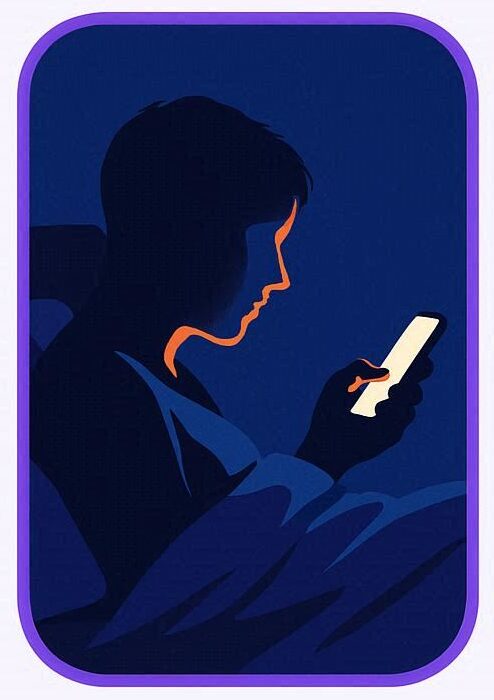
And speaking of mastering mobile devices, next time we’ll delve into the world of company-issued mobile phones.
Navigating the policies, security protocols, and ethical considerations that come with using a device provided by your employer. Stay tuned!