Hey everyone, ever feel like you’re juggling a million keys, passwords, and digital accounts? You’re not alone! In today’s hyper-connected world, managing our digital identities has become as crucial as locking our front doors. That’s where Identity and Access Management (IAM) comes in.
But what exactly is IAM, and why should you care?
But what exactly is IAM, and why should you care?
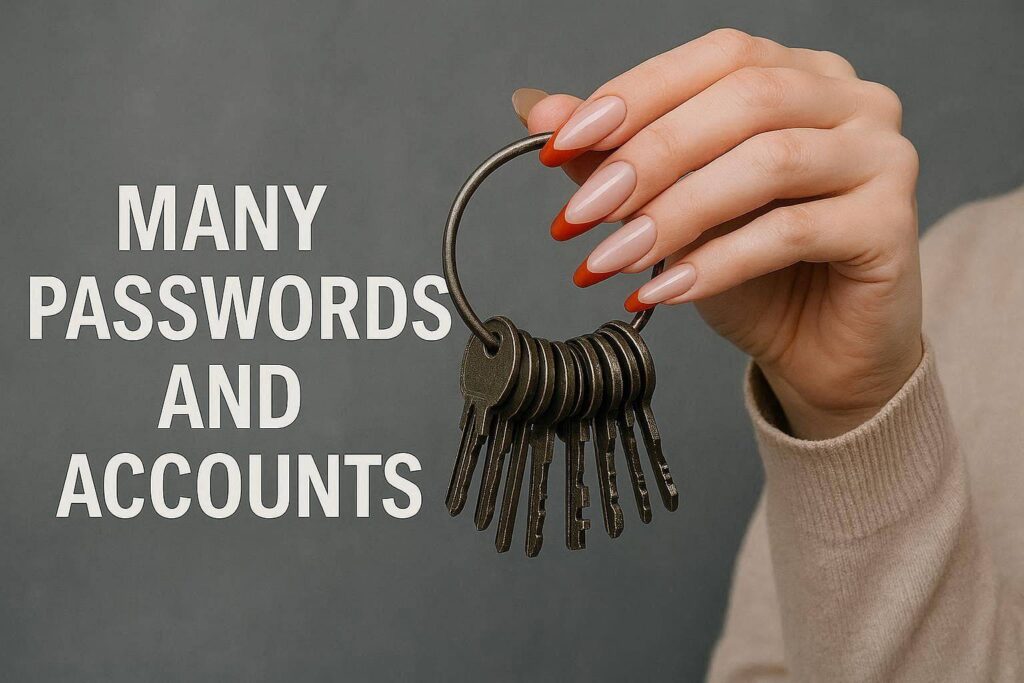
At its core, IAM is about making sure the right people (or systems) have the right access to the right resources at the right time – and, crucially, only the right resources. Think of it like the bouncer at a club, carefully checking IDs and guest lists to keep things running smoothly and safely inside. In the digital world, IAM systems verify who you are (authentication) and what you’re allowed to do (authorization) when you try to access an application, website, or data.
Why IAM Matters in Your Daily Life
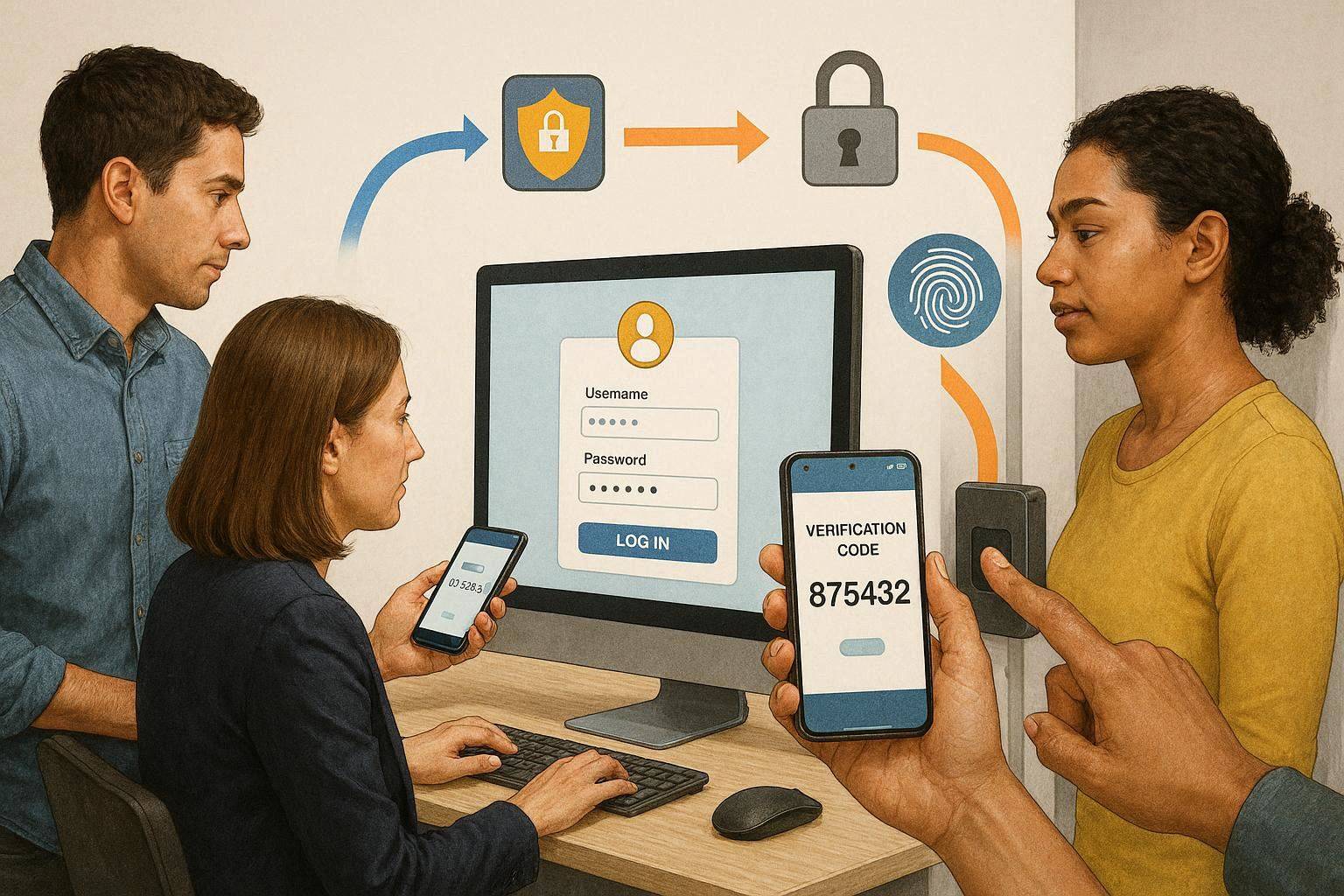
Okay, so that’s the technical definition, but how does IAM actually affect you, the average internet user? Turns out, it’s everywhere!
- Logging into your favorite apps: Ever wondered how Netflix knows it’s really you binge-watching “Stranger Things” and not your mischievous neighbor? IAM! When you enter your username and password, Netflix’s IAM system verifies your identity and grants you access to your account.
- Shopping online: When you buy something from Amazon, IAM ensures that only *you* can access your payment information and order history. It also helps prevent fraud by verifying your identity and flagging suspicious activity.
- Accessing your bank account: Banks use sophisticated IAM systems to protect your money and personal information. Multi-factor authentication (like getting a code on your phone) is a common IAM technique that adds an extra layer of security.
- Using social media: Facebook, Instagram, and Twitter all rely on IAM to manage user accounts, protect your data, and prevent unauthorized access.
IAM in Action: Real-World Examples
Let’s look at a couple of specific examples to see how IAM works in practice:
- Multi-Factor Authentication (MFA): You’re probably familiar with this one! MFA requires you to provide two or more pieces of evidence to verify your identity. This could be something you know (your password), something you have (your phone), or something you are (your fingerprint). MFA makes it much harder for hackers to break into your accounts, even if they steal your password.
- Single Sign-On (SSO): SSO allows you to use one set of credentials to access multiple applications. For example, you might be able to use your Google account to log into various websites and services. SSO simplifies your life by reducing the number of passwords you need to remember and can also improve security by centralizing authentication.
Think, Reflect, Ask:
- How many different online accounts do you have?
- How strong are your passwords? Do you reuse them across multiple sites?
- Do you use multi-factor authentication whenever it’s offered?
- What steps can you take to improve your digital security and protect your online identity?
IAM isn’t just some techy buzzword; it’s a fundamental part of our digital lives. By understanding how IAM works and taking steps to protect your online identity, you can become the gatekeeper of your digital world and enjoy a safer, more secure online experience.